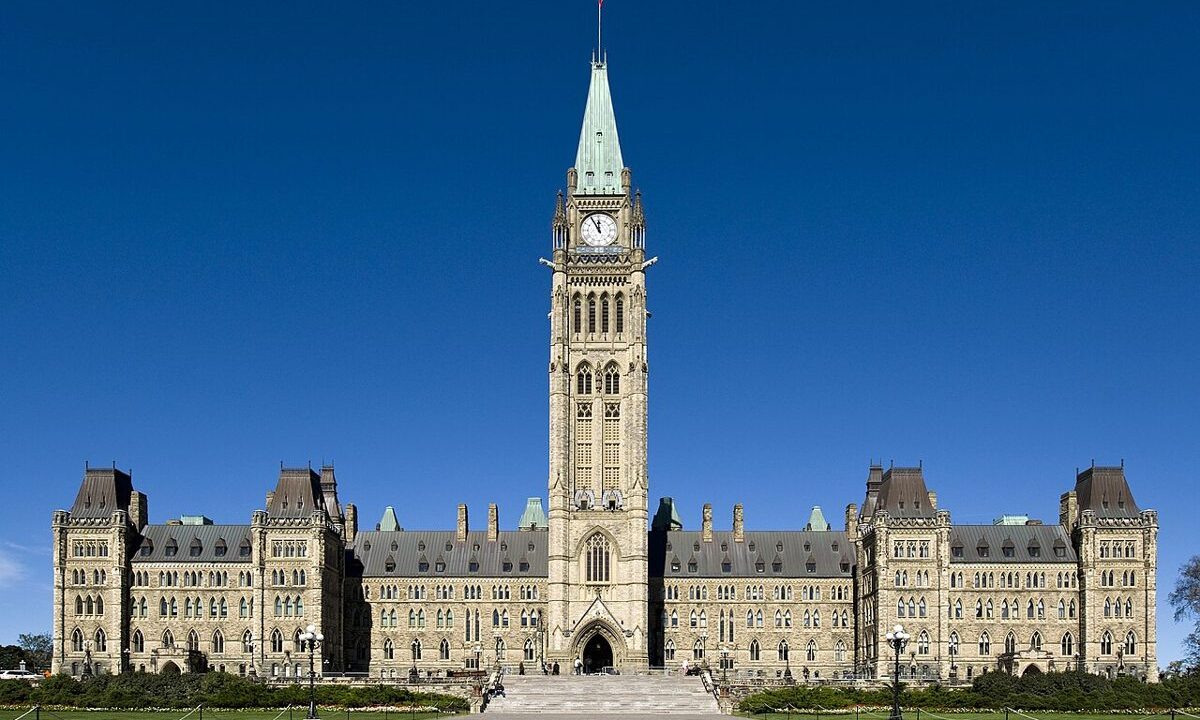
A grassroots collective of First Nations people met on Sunday afternoon at an Ottawa community centre to strategise a protest of Monday’s meeting between First Nations leaders, Prime Minister Mark Carney and premiers, heavily invoking the 2012 Idle No More protest movement that took over Canadian cities. Their presence is a reminder that official meetings are not the only form of First Nations politics, and that for many Indigenous people, the most effective pressure has historically come from outside the room, not inside it. Idle No More began as a grassroots movement against legislation affecting Indigenous rights and the environment, and its echo in Ottawa this week suggests that some First Nations people view Monday’s meeting with the same scepticism that animated the original movement.
Why grassroots scepticism persists
The scepticism has a specific cause. Tensions between Ottawa and First Nations spiked after Carney’s election in 2025, when his government passed legislation to create a new office to streamline major project developments and approve projects within one year, and some chiefs say those efforts threaten their rights. For grassroots activists, a meeting that discusses major projects without first addressing that legislation risks legitimising a process they believe undermines Indigenous sovereignty. Assembly of First Nations National Chief Cindy Woodhouse Nepinak has framed the meeting as a historic occasion and insisted that First Nations are partners in Confederation who must be respected. Grassroots groups are asking a harder question: partnership on whose terms, and with what veto when a project threatens rights that cannot be compensated with jobs or revenue?
What the protest planners want
The grassroots meeting on Sunday was, by its nature, a planning session rather than a public demonstration, and its aims will become clearer as the week unfolds. But its invocation of Idle No More signals an intent to make the meeting visible to a public that might otherwise see only official photographs, and to insist that consent, not consultation, is the standard First Nations should demand. First Nations leaders invited all premiers and Carney to a day of ceremony on Sunday, but only a handful showed up, and that absence will be cited by grassroots critics as evidence that official processes are not taken seriously even by those who attend them. Whether Monday’s meeting produces a new working relationship or a new round of protest will depend less on the words spoken in the room than on whether project decisions after the meeting look different from project decisions before it.