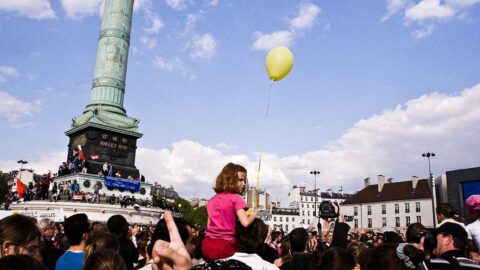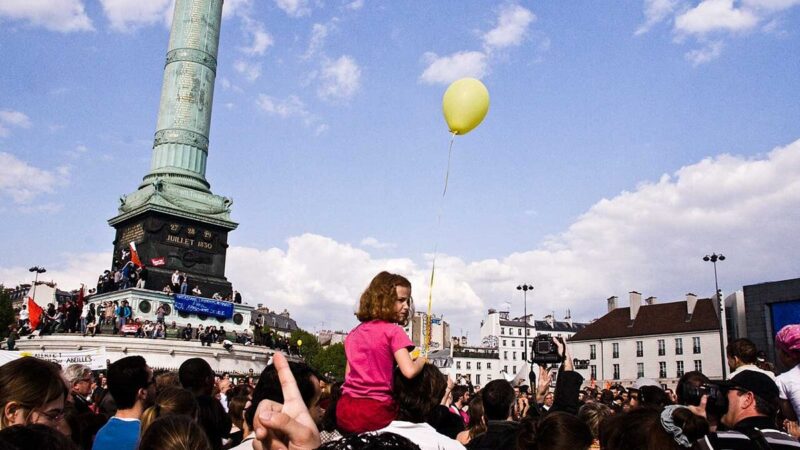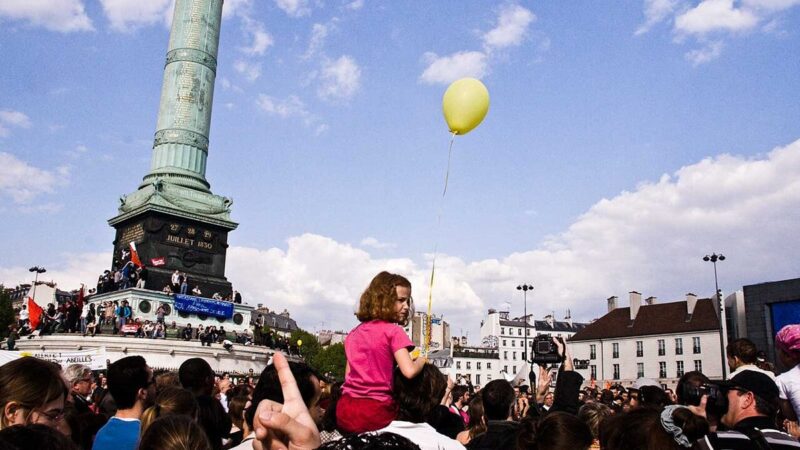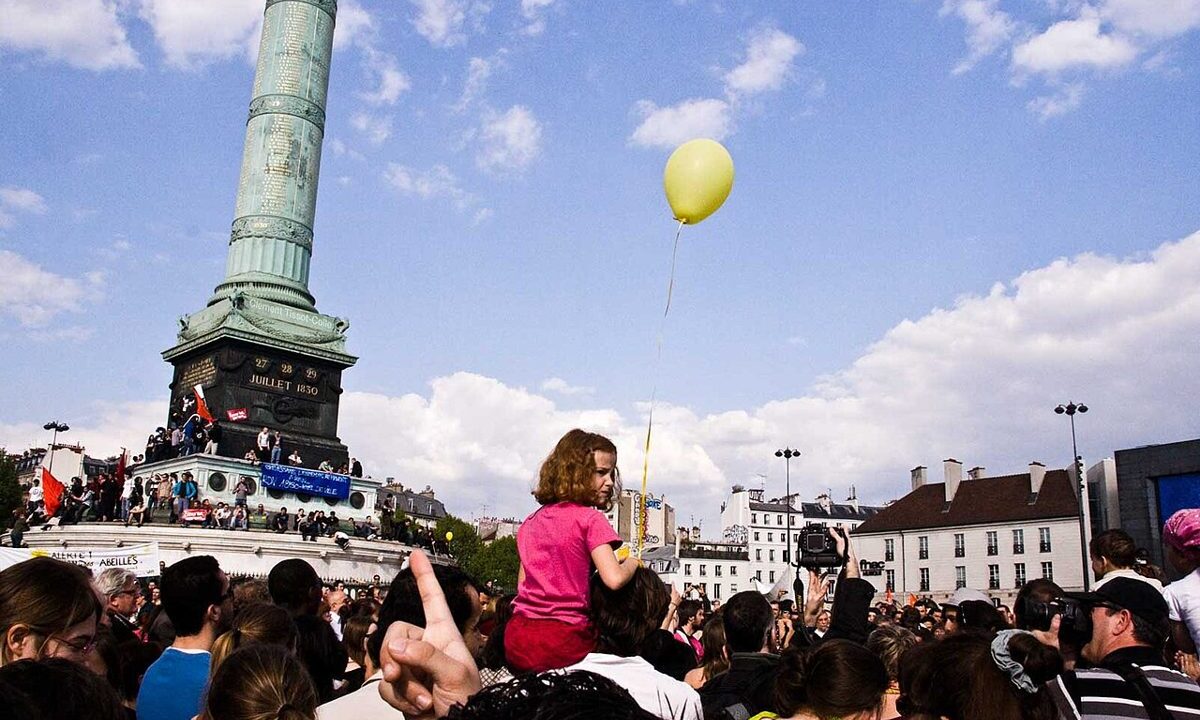
France’s protests are policed by numbers as much as by officers. On October 24, about 70,000 police and gendarmes were deployed nationwide, backed by helicopters and armoured vehicles, to manage marches that drew 410,000 people according to the Interior Ministry and near 800,000 according to the CGT union. Police arrested 1,314 people, about half the 2,628 arrested on October 17, and looting fell sharply, to 24 businesses from 1,522 the week before. Those figures describe a security operation that succeeded in its narrow goal: preventing a repeat of the disorder of October 17. They also describe a cost: rallies banned in Lyon, Nice and Montpellier, the Paris march confined to the city’s southeastern edge, major museums closed, and Metro stations skipped, measures that critics say restricted civil liberties even as they prevented looting. The question for the next round is whether that trade off can be sustained, or whether it will itself become a grievance.
Policing as policy
Policing choices are policy choices, even when they are presented as technical decisions. A decision to deploy 70,000 officers signals that the government expects disorder. A decision to ban rallies in three cities signals that it does not trust the marches to remain peaceful. A decision to close the Louvre, the Musee d’Orsay and other institutions signals that cultural life is subordinate to security. Each decision may be defensible on its own, but together they create an impression of a state that manages protests rather than listening to them. Protesters interviewed by NPR made that point directly: they deplore violence, but they believe police aggression fuelled it, and they believe the government is listening only because the streets forced it to listen. That perception matters, because it determines whether the next round of protests, from the October 30 pots and pans rally to the October 31 demonstrations and the November 5 strike, will be smaller or larger.
The next test
The next test of the policing strategy comes quickly. Yellow Vest organisers have called a pots and pans rally outside the National Assembly on October 30, from 6 p.m. to 9 p.m., with a mass pot banging protest at 8 p.m., and further demonstrations are planned for October 31. A pots and pans rally is harder to police than a march: it is stationary, noisy and deliberately disruptive without being violent, and a heavy handed response to it risks creating the very images of repression that organisers want. The France policing report notes that officials opened investigations after seizures of fireworks, metal projectiles, airsoft guns and improvised weapons on October 24, evidence that some protesters came prepared for confrontation. But the broader movement, from students to unions to Yellow Vests, is not defined by those seizures. It is defined by a grievance about the cost of living, and policing alone cannot answer a grievance. It can only contain it, for a time, until the next Saturday arrives.