A NASA satellite designed to measure oceans and large lakes can also track water moving through irrigation canals, a University of Washington study has found, opening a new way for water managers in dry American states to think about the ditches that feed their farms.
The researchers tested data from the satellite against roughly 800,000 kilometres of canals across Asia and found it could measure water levels with moderate to high confidence at more than 85 percent of locations, the university reported. The study was published September 30 in Geophysical Research Letters.
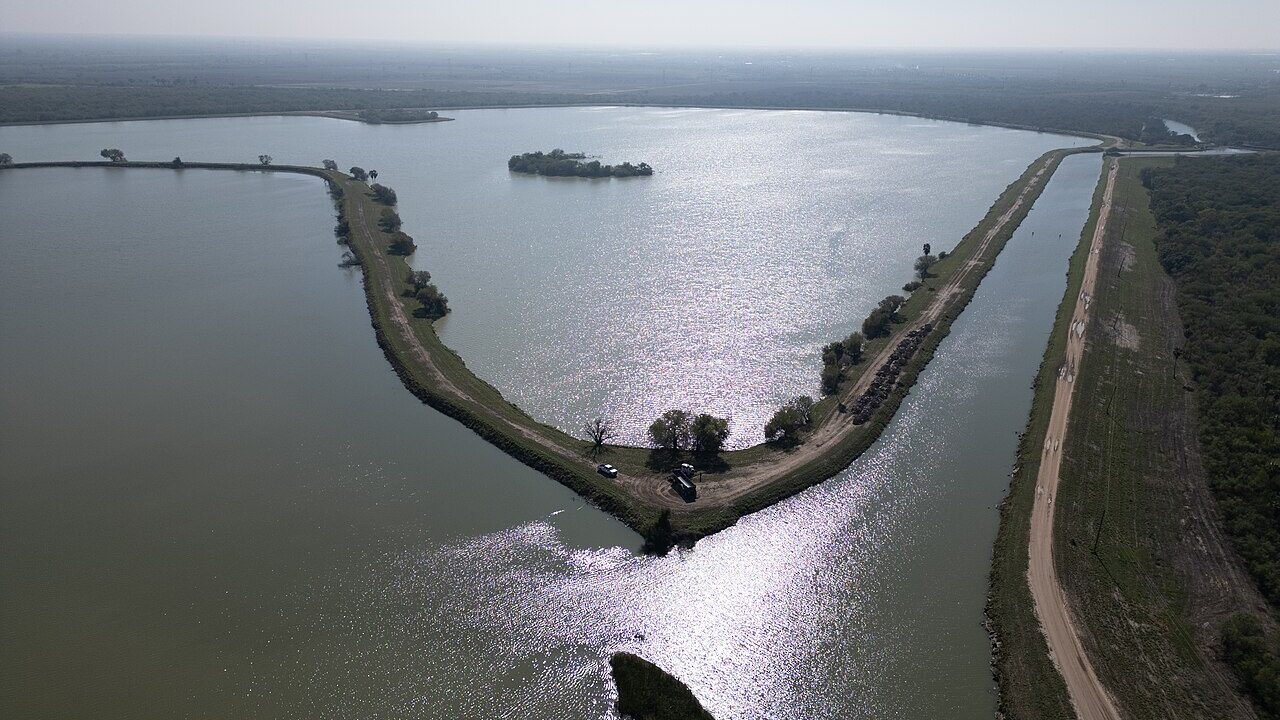
Canals move water from reservoirs and rivers to farmland across millions of kilometres worldwide, yet many agricultural regions still run them on scattered gauges, site inspections and phone calls, the researchers said. A single satellite pass that reads canal levels across a whole basin changes the economics of monitoring, particularly for irrigation districts that cannot afford dense sensor networks.
Co-author Faisal Hossain, a University of Washington professor of civil and environmental engineering, said the result may represent a fundamentally new way of managing the conveyance systems that sustain modern agriculture, rather than a simple new instrument capability.
The state angle in the United States is immediate. Western irrigation districts in Washington, California, Arizona and the Great Plains manage canal systems under drought allocations, endangered-species rules and interstate compacts, often with incomplete flow data. A validated satellite method would not replace gauges, but it could tell a state engineer where water actually went last week, not where the schedule said it should go. The team says the Asian test is the proof of concept; applying it basin by basin is the next step.
The team notes the method's limits plainly: confidence varies by canal width, revisit timing and cloud cover, and ground gauges remain the legal record for water rights. The satellite's role is surveillance at scale, spotting the reaches where delivered water and scheduled water have quietly diverged, which is where irrigation districts lose both water and trust.
Reporting is based on statements and reporting available at publication time. State News Journal checked the central facts against at least two reputable sources and attributes claims to their sources in the text. This story will be updated if confirmed new information materially changes the account, and corrections will follow the site corrections policy.