Voters in Alberta go to the polls on October 19 in a province-defining vote on whether to remain in Canada or hold a future vote on leaving, and the result will be watched far beyond Canada's borders, including in American state capitols that manage deep trade and energy ties with the province.
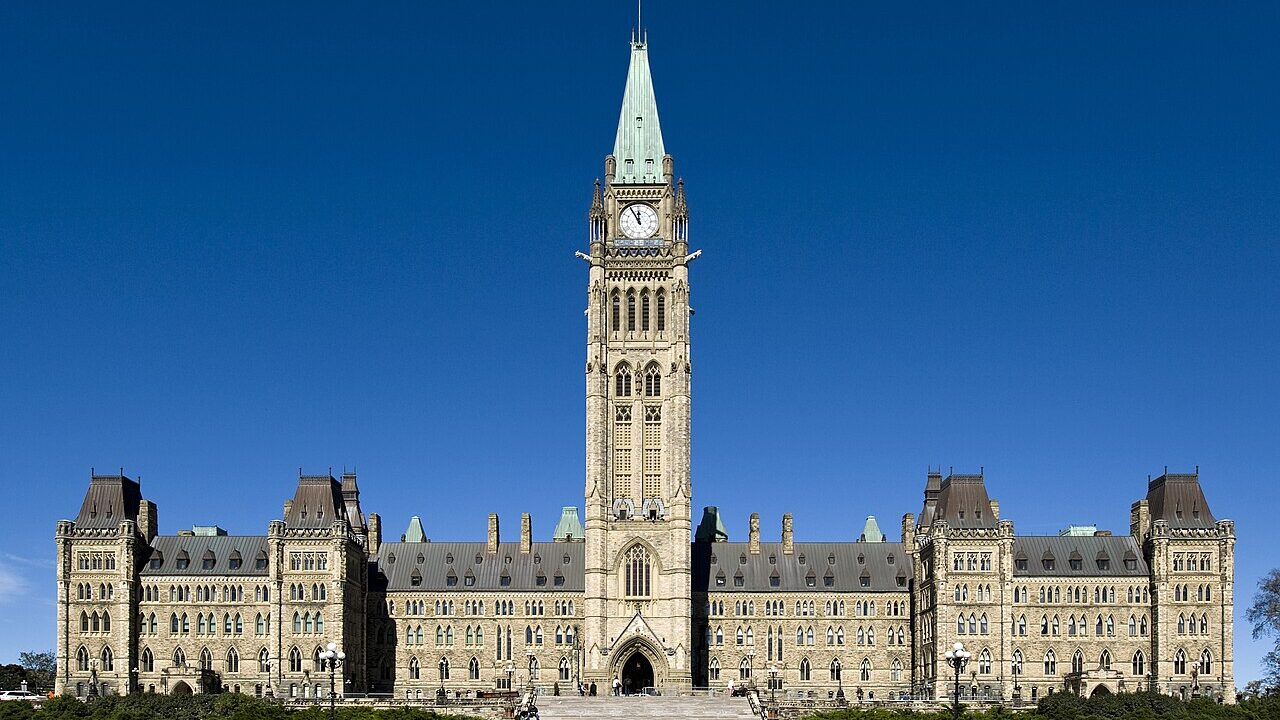
Federal briefing material released to CBC News under access-to-information law shows Ottawa has been studying what an Alberta departure could mean in hard numbers: a possible fiscal shock estimated at $18 billion, the flight of corporate head offices, and movement of Albertans to neighbouring provinces. The same federal notes describe national pension arrangements as awkwardly designed for a province-sized exit, according to CBC's reporting of the documents.
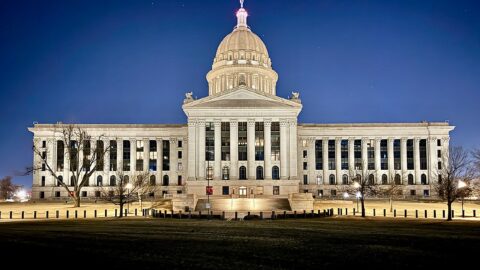
For American readers, the state angle is practical. Alberta's energy sector is wired into refineries, pipelines and rail networks that run through Montana, North Dakota, Texas and the Midwest, and US governors in energy states have treated provincial stability as part of their own economic planning. A vote that opens a separation path would not change any border or tariff overnight, but it would put long-term energy and trade assumptions into negotiation.
Provincial officials have framed the October 19 question as a democratic exercise rather than a declaration, and federal officials in Ottawa have publicly kept their distance while the internal analysis continues. CBC reported the briefing notes were prepared inside Finance Canada, which is the kind of contingency work finance ministries do quietly precisely so that governments are not improvising if voters choose an unexpected path.
What happens next depends on the result. A clear vote to remain would close the file for this political cycle and let both governments return to ordinary disputes about pipelines, equalization and regulation. A vote that keeps separation alive would start a longer constitutional process with no quick endpoint, during which businesses on both sides of the 49th parallel would price uncertainty into investment decisions.
What happens next is procedural before it is dramatic. The October 19 vote answers the question put to Albertans; a result that keeps separation in play would then require negotiation between the province and Ottawa under Canada's constitutional framework, a process measured in years, during which investment, migration and public finance in the province would carry a measurable uncertainty premium.
Reporting is based on statements and reporting available at publication time. State News Journal checked the central facts against at least two reputable sources and attributes claims to their sources in the text. This story will be updated if confirmed new information materially changes the account, and corrections will follow the site corrections policy.