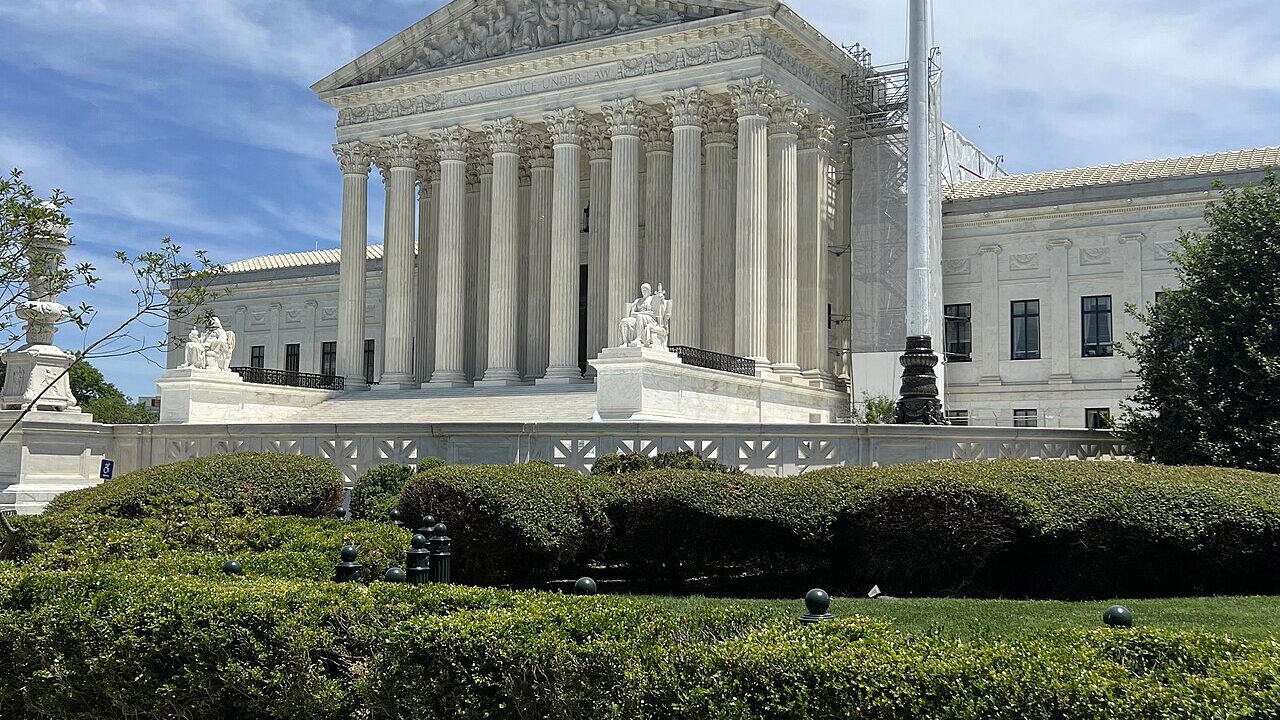
The US Supreme Court has given Washington state an extra 50 days, until December 4, to answer a challenge to its marijuana business residency rules, in a case that could reset how every state structures licensing for the industry.
The extension, requested October 2 by the Washington Attorney General's Office in Peridot Tree WA, Inc. v. Washington State Liquor and Cannabis Board and granted October 5, was needed because the state's small Supreme Court team is handling several pending cases and expects election litigation this autumn, Deputy Solicitor General Tera Heintz told the court, according to reporting on the filing. The company did not object to the longer deadline.
Underneath the scheduling order sits a constitutional question with global commercial reach. Washington requires prospective dispensary owners to have lived in the state at least six months before applying. Peridot Tree, majority-owned by Michigan resident Kenneth Gay, was rejected on residency grounds. A related Sacramento, California dispute involving the same interests was consolidated on appeal.
If the court ultimately holds that the dormant Commerce Clause, the doctrine that limits state discrimination against interstate commerce, applies to state marijuana licensing, residency preferences in dozens of state programmes would be exposed, and social-equity licences reserved for local residents would face a direct legal threat. If the court leaves the system alone, states keep a tool they have used to direct the industry's profits toward their own communities.
For now, only the calendar has moved. But governors, attorneys general and licensing boards in every legal-marijuana state are reading this docket, because few cases this term touch state economic policy in so many capitols at once.
Briefing will now run toward the December deadline, with states that operate residency-preference licensing expected to file in support of Washington and industry groups in support of the challenge. A decision, if the court takes the case to the merits, would land in 2027 and would be read first in the licensing offices of every state that reserves permits for its own residents.
Reporting is based on statements and reporting available at publication time. State News Journal checked the central facts against at least two reputable sources and attributes claims to their sources in the text. This story will be updated if confirmed new information materially changes the account, and corrections will follow the site corrections policy.