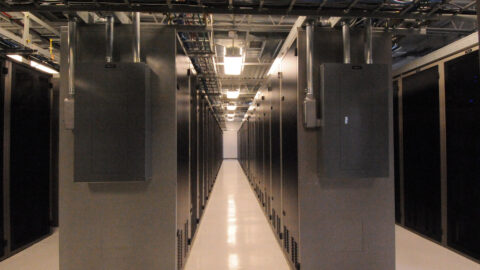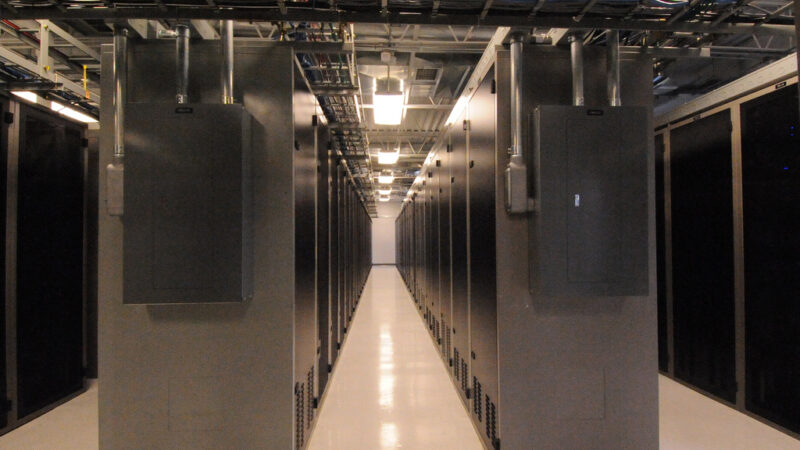
California has enacted seven new data center laws that together require the facilities to pay for the grid upgrades and power they need, end shortcuts around state environmental review, and force public reporting of energy and water use, with most provisions taking effect January 1, 2027.
Governor Gavin Newsom signed the package on September 21, according to a detailed status review of California data center law current to October 6. The California Energy Commission estimates data centers now draw about 1,000 megawatts in the state, roughly 2 percent of peak grid demand, and projects about 4,500 megawatts by 2040. Pacific Gas and Electric says developers have asked it to serve 12.7 gigawatts of new data center load, more than twelve times what operates statewide today, though only a small share has signed agreements.
While Sacramento legislated, city halls improvised. Monterey Park, Coachella and Calexico have adopted permanent bans, about twenty cities and three counties have adopted temporary moratoria, and Alhambra voters decide on a ban November 3, the review found. San Joaquin County ordered a six-month study with a legal opinion on a moratorium, while its city of Lodi saw a data center proposal raised in May and withdrawn by June.
The laws answer the question every state is now being asked: who pays for the power plant, the transmission line and the water. California's answer is that the data center does, disclosed in public, after environmental review that cannot be waived away.
Other states are drafting their own versions this winter. California's package is the most complete state answer yet, and its reporting requirements will, for the first time, give the public a verified statewide ledger of what the AI build-out actually consumes.
The reporting requirements may prove the most consequential provision. Once California publishes verified energy and water figures for its data center fleet, every subsequent argument, in Sacramento and in other capitols copying the model, runs on the state's numbers rather than the industry's estimates, and facilities planned in the dark will be planned, instead, on the record.
Reporting is based on statements and reporting available at publication time. State News Journal checked the central facts against at least two reputable sources and attributes claims to their sources in the text. This story will be updated if confirmed new information materially changes the account, and corrections will follow the site corrections policy.