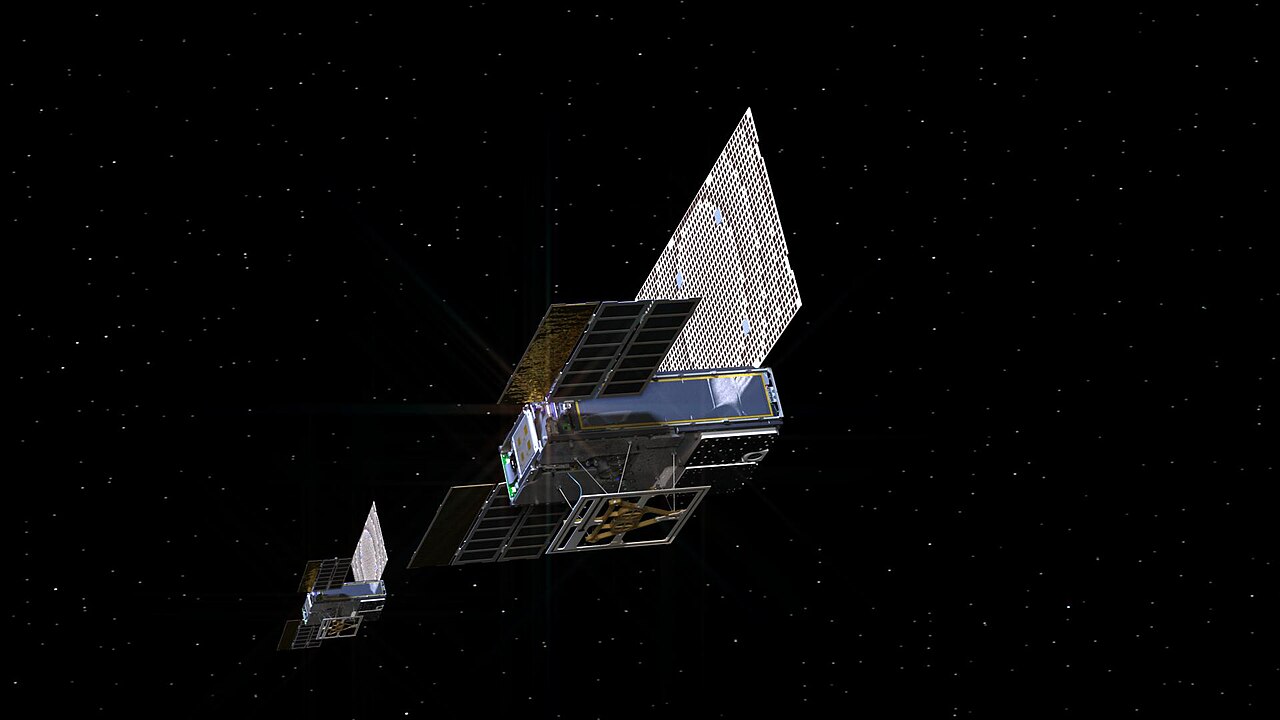
A CubeSat about the size of a shoebox, built at the University of Colorado Boulder, has launched as NASA's first astrophysics CubeSat designed to detect a range of ultraviolet light that Earth's atmosphere blocks from every ground telescope.
The SPRITE mission, developed and operated by CU Boulder's Laboratory for Atmospheric and Space Physics and funded by NASA's Astrophysics Division, will examine how gas, dust and energetic radiation move through galaxies and escape into intergalactic space, according to NASA mission descriptions. It launched on SpaceX's Transporter-18 rideshare from Vandenberg Space Force Base on October 1, 2026, as one of three NASA small satellites on the flight.
SPRITE's targets are star-forming regions and supernova remnants in and around the Milky Way: environments where energetic radiation is generated and interacts with surrounding material, physically related to the processes that drove reionization, when radiation from the first stars transformed the young universe.
The spacecraft measures about 13.5 inches long and nine inches across, packed with sensitive detectors, specialised mirror coatings and a telescope designed for performance normally associated with far larger instruments, NASA said.
SPRITE is also a state story. Its laboratory sits at a public university in Boulder, where small-satellite programmes train the engineers who now staff much of the American space industry. The era of flagship-only astronomy is over; some of its sharpest new eyes are built in university clean rooms.
SPRITE's first data releases will be watched for calibration as much as discovery: a new ultraviolet window must prove its measurements against known sources before its galactic conclusions carry weight. That unglamorous phase, standard for first-of-kind instruments, is where university missions earn their credibility, one verified spectrum at a time.
The three NASA small satellites on the Transporter-18 flight shared a ride and little else: separate universities, separate instruments, separate questions, which is the rideshare model's economy, flagship questions at CubeSat prices.
Reporting is based on statements and reporting available at publication time. State News Journal checked the central facts against at least two reputable sources and attributes claims to their sources in the text. This story will be updated if confirmed new information materially changes the account, and corrections will follow the site corrections policy.