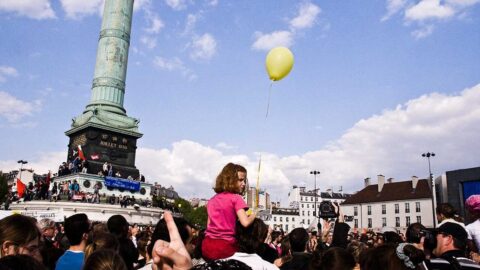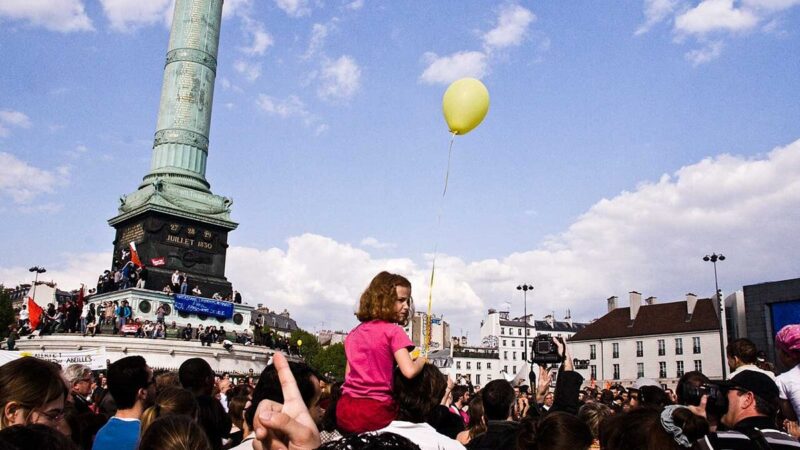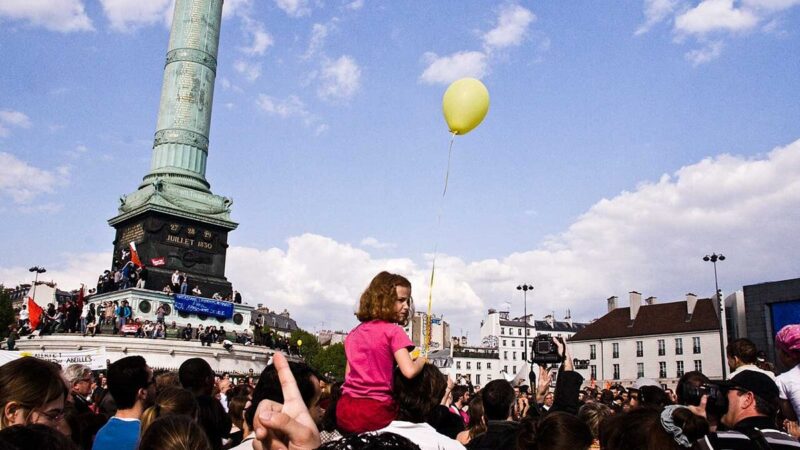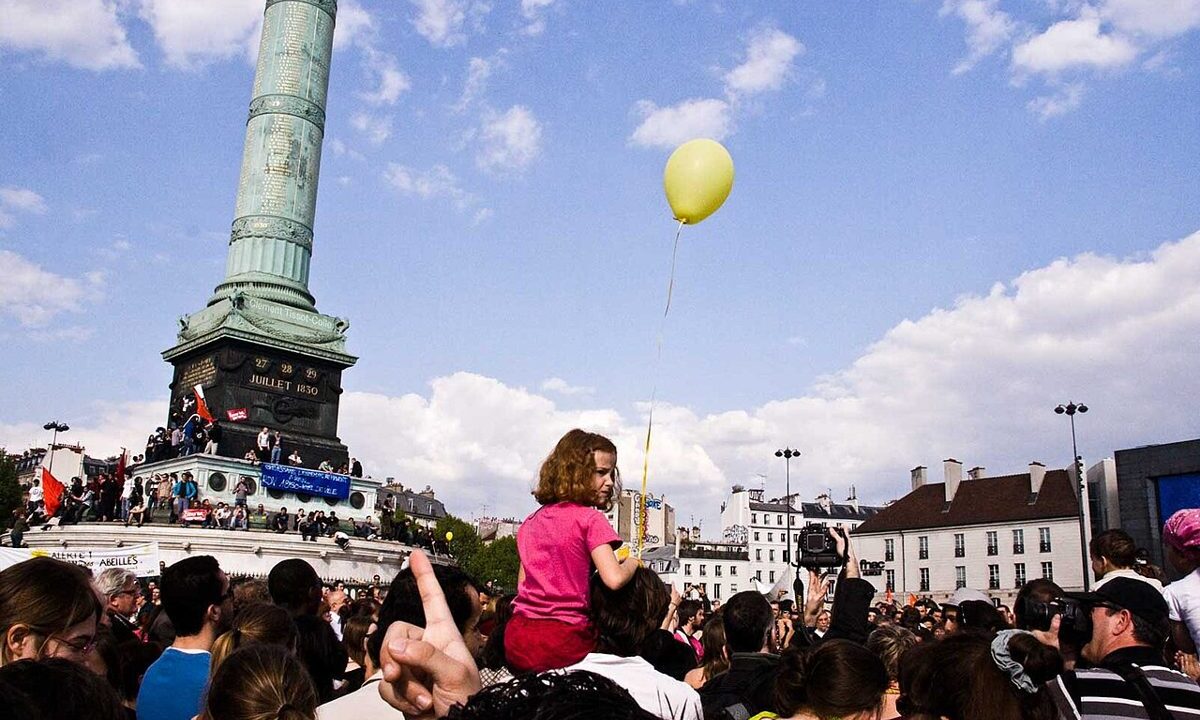
France deployed about 70,000 police and gendarmes for its second Saturday of cost of living protests, and the result was a day that was large, tense and, by the standards of the previous weekend, markedly less violent. The Interior Ministry counted about 410,000 marchers nationwide on October 24, including 110,000 in Paris, while the CGT union put the total near 800,000, with 250,000 in Paris. Police arrested 1,314 people, about half the previous Saturday’s total, and 53 security personnel were injured, compared with more than 1,000 a week earlier. Looting fell sharply, to 24 businesses from 1,522 the week before. Those figures describe a policing operation that contained violence without preventing protest, and a movement that marched in large numbers without descending into the destruction of October 17.
The contrast with October 17 is stark. On that day, demonstrations over school funding and rising living costs descended into rioting and looting across the country, with protesters setting fires, looting shops, clashing with police and attacking public buildings, briefly storming Marseille’s City Hall and setting Limoges’ 19th century town hall ablaze, bringing down its roof and clock tower. About 2,400 people were arrested in connection with those demonstrations, in which hundreds of thousands marched peacefully. The government responded by deploying 10,000 more police and gendarmes on October 24 than on October 17, backed by helicopters and armored vehicles, and by confining the Paris march to the city’s southeastern edge, closing museums including the Louvre and shutting more than 20 metro stations.
Containment has a cost
Containment is not the same as resolution, and the measures taken on October 24 carried their own costs. Shopkeepers boarded up storefronts, museums closed their doors, and central Paris took on the appearance of a city under lockdown, according to reports from the day. Business groups urged retailers to remain closed after thousands of shops had been damaged or looted the previous weekend. Police used tear gas, sound grenades and water cannon near the end of the Paris march, and street fires burned in Marseille and Lyon, with tear gas also used in Clermont-Ferrand, Strasbourg and Bordeaux. A protest that is kept peaceful by closing a city centre is still a protest that a city has paid for.
Interior Minister Laurent Nunez, who accused far left groups and criminal gangs of fomenting violence, told reporters that police had arrested 135 people nationwide by early afternoon on October 24, many following pre-emptive searches that uncovered fireworks, ball bearings and other items that could be used as weapons. That early intervention, combined with the larger deployment, helps explain why October 24 produced fewer injuries and less looting than October 17, even though hundreds of thousands of people still marched. It also raises a question that will follow the government into the next protests: whether pre-emptive policing and route restrictions can keep working without hardening the movement they are meant to contain.
The next policing test
Fresh rallies are planned for October 31, ahead of a nationwide strike day, including a joint rail union call, on November 5, and the government has meanwhile offered concessions on schools, including a new university admissions platform timetable and up to 4 billion euros in renovation loans. Reports of the concessions describe a movement that has widened beyond schools, and State News Journal’s earlier account of the policing trade off framed October 24 as exactly that: a trade between security and openness. October 31 will test whether that trade can be repeated, or whether a movement that has already shown it can march in large numbers will find new ways to be heard.