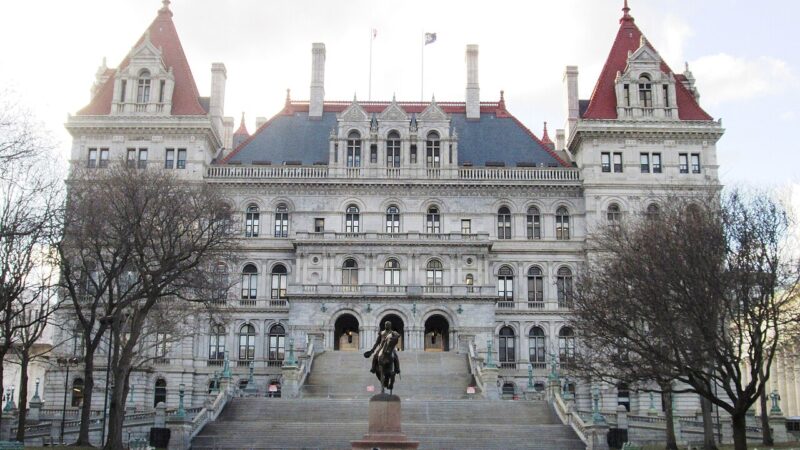
When a governor declares a state disaster emergency over a disease outbreak, as New York's Kathy Hochul has done over measles this week, the declaration sounds dramatic and reads dry. Its effects, though, are specific, and they explain much of what happens next in the affected counties.
First, money moves. An emergency declaration lets the state spend and procure without the ordinary timeline of bids and approvals, which is how vaccination clinics get staffed and supplied in days rather than budget cycles. Second, authority moves. State health officials can direct county health departments with the governor's legal weight behind the direction, ending the patchwork in which each county improvises its own response. Third, rules bend. Scope-of-practice limits can be widened, as New York has done by expanding who may administer measles vaccine, and reporting and licensing requirements can be accelerated.
What a declaration does not do is equally important. It does not by itself mandate vaccination, close schools, or restrict movement; those measures require separate legal authority and, politically, a separate fight. An emergency declaration is a logistics tool wearing a dramatic name.
New York's declaration arrives with 105 confirmed upstate cases reported on the state dashboard, concentrated in Otsego and Steuben counties, and with county childhood coverage as low as 52.9 percent for one MMR dose by age two in Yates County, according to state figures reported by ABC7 New York and others.
Governors reach for emergency powers when the ordinary machinery is too slow for the biology. Measles, with cases doubling on a serial interval measured in days, is the classic case. The declaration is the state admitting, in legal form, that the calendar is the enemy.
Declarations also expire, and their renewal is a public decision. If New York's case curve has not bent when the current declaration lapses, the governor must either extend it in the open or let the emergency tools lapse with it. That rhythm, declare, act, report, renew or stand down, is how emergency government is supposed to remain accountable while it moves fast.
Reporting is based on statements and reporting available at publication time. State News Journal checked the central facts against at least two reputable sources and attributes claims to their sources in the text. This story will be updated if confirmed new information materially changes the account, and corrections will follow the site corrections policy.