A team including Boise State University researchers has been selected for a NASA programme to explore whether ground-penetrating radar can detect caves beneath the Moon's surface, lava tubes that could shelter future crews and preserve a readable record of lunar volcanism.
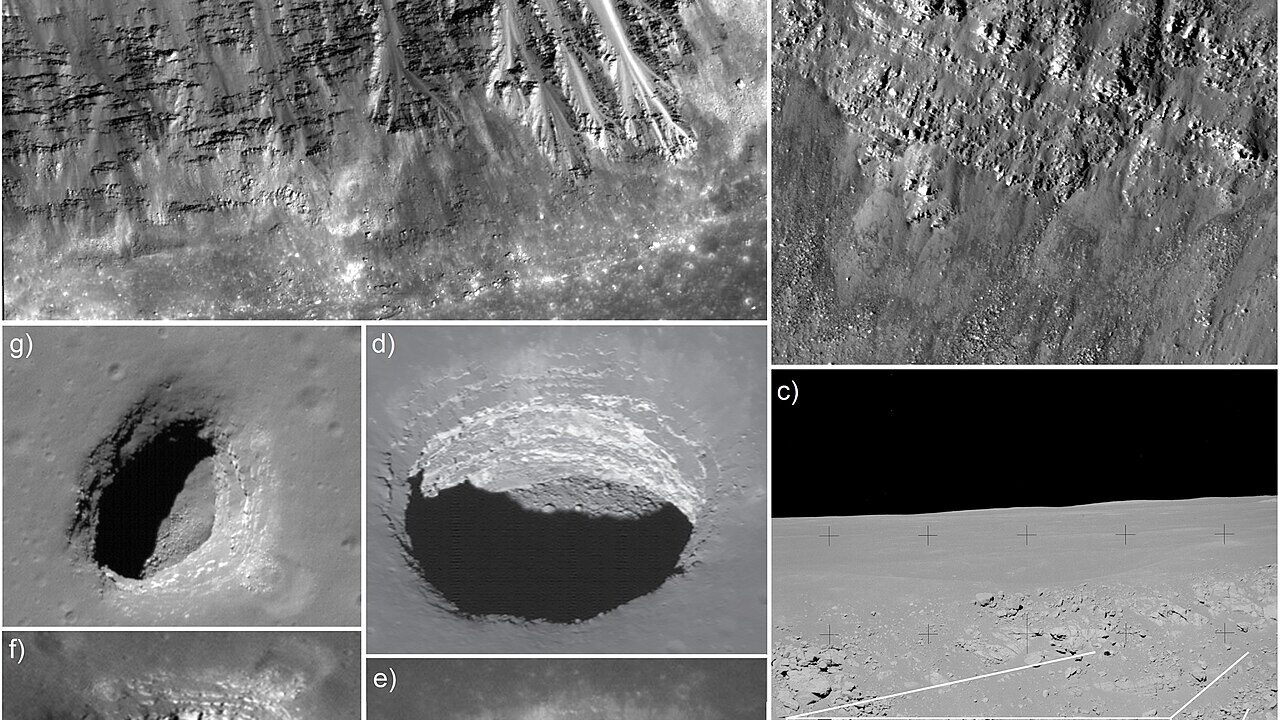
Lunar pits, openings in the surface photographed from orbit, may lead to underground tubes formed by ancient lava flows. Studying the layers preserved in pit walls could reveal how lava travelled and whether long pauses separated eruptions, according to the team's description published by Phys.org.
'Confirming a substantial lava tube would give us an insight into how volcanism operated on the moon,' said Gareth Morgan, a senior scientist at the Planetary Science Institute and deputy principal investigator on the GIMLI programme, in the team's statement. Because lava tubes are common in Earth's basaltic volcanism, terrestrial caves offer the comparison set for reading the lunar ones.
Beyond the Planetary Science Institute and Honeybee Robotics, the team includes co-investigators from Boise State, Johns Hopkins University, the Lunar and Planetary Institute and the University of Oslo, with radar provided by the Norwegian Space Agency.
The practical stakes are shelter. A confirmed tube is radiation shielding and thermal stability that no landed habitat has to carry from Earth. The scientific stakes are a library: cave walls that record eruptions the surface has long since overwritten. The radar test comes first; the Moon will answer at its own pace.
Radar is the right first instrument because it asks the question without landing anything: are there voids, of what size, connected how. Idaho's contribution, through Boise State's co-investigators, places a public university from a state better known for potatoes inside the instrument team deciding where future lunar crews might sleep.
The selection is for a concept study within NASA's programme to explore the potential lunar cave, and the team's next milestone is demonstrating that the radar approach can distinguish a true void from fractured rock in terrestrial test caves.
Reporting is based on statements and reporting available at publication time. State News Journal checked the central facts against at least two reputable sources and attributes claims to their sources in the text. This story will be updated if confirmed new information materially changes the account, and corrections will follow the site corrections policy.