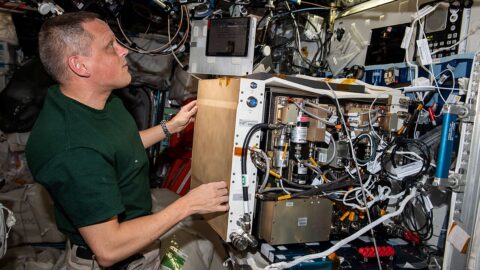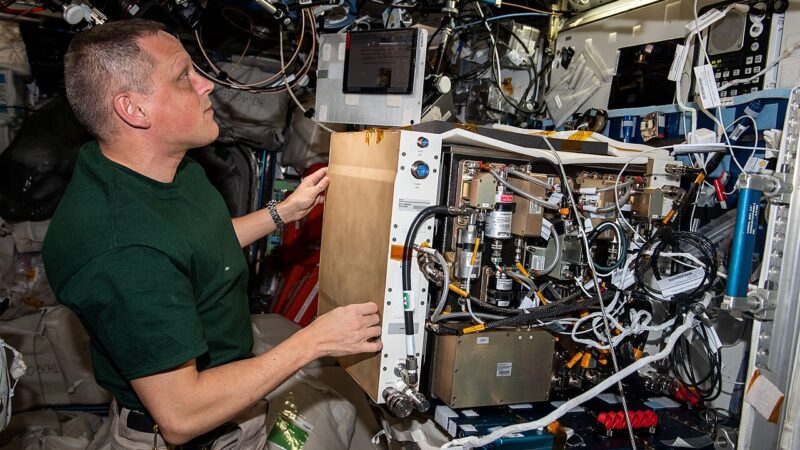
NASA's SpaceX Crew-12 astronauts have returned to Earth after 237 days in space, travelling more than 100 million miles and completing over 3,792 orbits aboard the International Space Station, NASA reported, closing a mission spent on research preparing for future voyages to the Moon.
Long-duration crews are the laboratory in which exploration medicine is written: bone, muscle, vision, immune and microbiome changes are measured across months so that Moon and Mars mission planners work from human data, not extrapolation. NASA's current-awareness literature lists, among this autumn's results, a study reporting systemic elevation of a gut-derived compound during a year in space, with implications for brain, heart, bone, liver and microbiome, evidence of how deeply the spaceflight environment reaches.
For readers who prefer their astronomy from the ground, NASA's October skywatching guide offers a full month: Saturn at opposition on October 4, the Orionid meteor shower peaking October 21-22 under a bright Moon that favours the hours before dawn, and the Moon passing close to the Pleiades on October 27-28.
State universities run much of this enterprise from below: the tracking networks, the instrument teams, the skywatching clubs and the planetariums that translate a mission into a public night under real sky.
Crew-12's splashdown closes one logbook. The next opens with the same question every long mission sharpens: how long can a human body leave Earth and come back whole. The data from 237 days is now part of the answer.
The crew's 237 days also feed the state-level economy of space: recovery operations, university instrument teams and the schoolchildren who tracked the mission through NASA's education programmes in all fifty states. Exploration is federal in funding and state in footprint, and the October sky events give every reader a way to look up and join it.
Crew-12's return also resets the station's rotation clock, with the next crew's mission planning drawing directly on the medical and operational record this crew has just added to.
Reporting is based on statements and reporting available at publication time. State News Journal checked the central facts against at least two reputable sources and attributes claims to their sources in the text. This story will be updated if confirmed new information materially changes the account, and corrections will follow the site corrections policy.