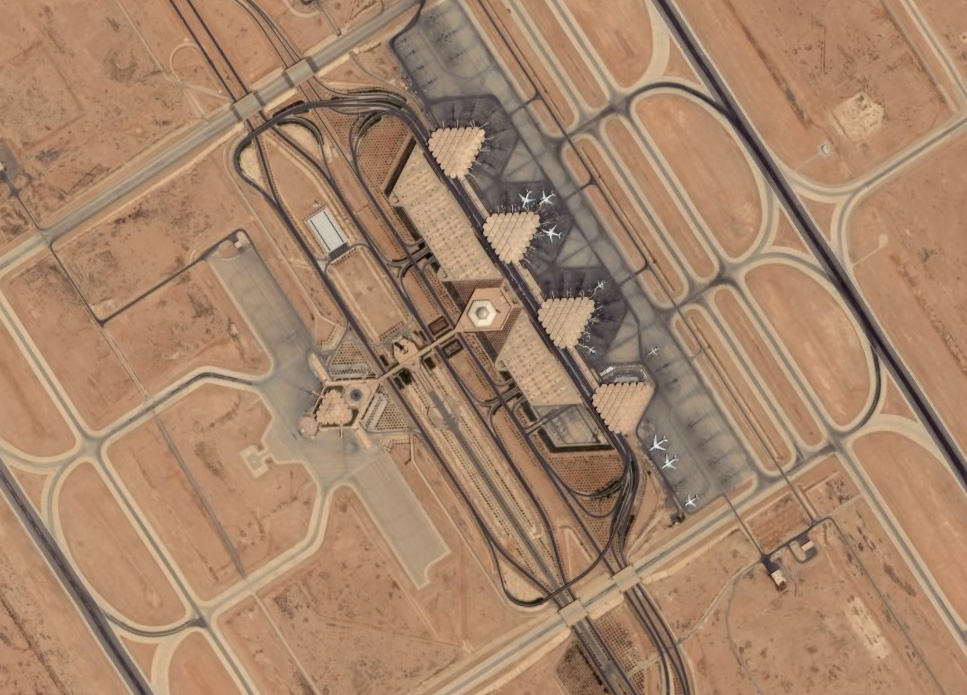
A Houthi missile struck Riyadh’s King Khalid International Airport on Saturday, October 10, killing 12 people and injuring 309 others, Saudi aviation authorities said. The Iran-backed Houthis claimed responsibility for the attack, which hit the building housing Terminals 3 and 4 and forced a suspension of airport operations.
What we know about the casualties
Saudi Arabia’s General Authority of Civil Aviation said the dead included four Saudi citizens and eight foreign nationals: two Bangladeshis and one citizen each of the United States, Egypt, Jordan, Syria, Palestine and Sudan. More than 300 injured were treated across several hospitals, some in critical condition. Among them were four Filipino overseas workers, three in intensive care, according to Philippine officials quoted in regional reporting. Officials described it as the third attack on the airport within a week, and flight-tracking data showed hundreds of flights cancelled or diverted on Saturday.
The condemnation was swift and international. UN Secretary-General António Guterres said he was “deeply shocked” and strongly condemned the strike, calling attacks on civilians and civilian infrastructure a violation of international law. India on Sunday condemned the attack as “completely unacceptable,” in solidarity with Saudi Arabia, and Nigeria’s foreign ministry called it a dangerous escalation threatening regional peace. The episode has drawn the kind of international scrutiny that follows any mass-casualty event at a global transit hub.
The wider conflict behind the strike
The attack came amid an intensifying exchange: Saudi-led forces have been backing a Yemeni government offensive to retake territory from the Houthis, including areas near the Bab el-Mandeb strait, and the Houthis have retaliated with missiles and drones aimed at Saudi targets. A Houthi spokesman said the strikes would continue until Riyadh agreed to a comprehensive peace deal. The New York Times, quoted in wire coverage, called it the deadliest attack in a Gulf Arab country since the US-Israeli war with Iran began in February. Claims from both sides remain difficult to verify independently, with journalists’ access to the conflict zone severely limited.
For American readers, the stakes are direct: a US citizen was among the dead, hundreds of US-bound itineraries were disrupted, and Washington’s posture toward the Gulf is back at the center of foreign-policy debate. Back home, October’s calendar keeps moving — including Alberta’s October 19 vote on its future, which Ottawa is watching closely. But the Riyadh strike is the reminder that some weeks, the defining political events happen far from any ballot box. Reporting note: this story was checked against at least two reputable reports or official records before publication, and it will be updated if the responsible authorities, leagues, companies or researchers publish materially new verified information.