Wisconsin's race for governor has become, in large part, a referendum on Act 10, the 2011 law that curtailed collective bargaining for most public employees, after litigation over the law's future headed toward the state supreme court and both major candidates planted flags on opposite sides.
Milwaukee County Executive David Crowley has called for full repeal, arguing the law weakened public services and the workforce that delivers them. Representative Tom Tiffany, who voted for Act 10 as a state legislator, warns that repeal would raise the tax burden on residents, according to This Week in Pensions' October 9 summary of the race. Senate Democratic leader Dianne Hesselbein has voiced her caucus's support for restoring bargaining rights in quoted remarks carried in the same summary.
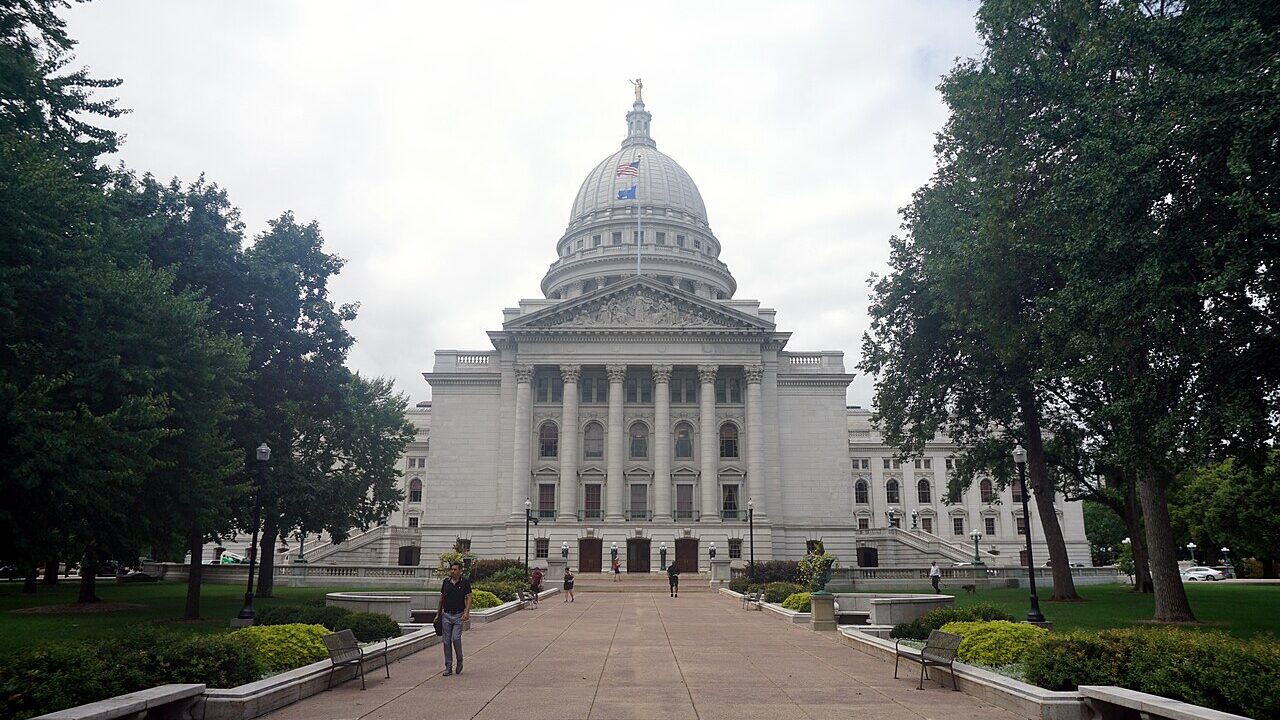
The candidates' positions alone cannot settle the question, and both campaigns know it. Repeal requires a legislature willing to pass it, and the court track may reshape the law regardless of who wins the governorship. That is why the race is being watched as a three-branch contest: the winner takes the governor's office, but the law's fate also runs through the Assembly, the Senate and the supreme court.
For public employees, the stakes are concrete: bargaining over wages, benefits and working conditions in schools, universities and county services. For taxpayers, the opposing case is equally concrete: Act 10's supporters credit it with a decade of budget control and pension funding discipline that Wisconsin's retirement system still reflects.
Few state laws anywhere have structured a state's politics for fifteen years the way Act 10 has in Wisconsin. The 2026 cycle will not end the argument, but between the courtroom and the ballot box, the law faces its most serious test since the recall era.
Both campaigns understand the arithmetic: a governor's promise on Act 10 is only as good as the legislature elected alongside it, and the supreme court track may change the law before either candidate takes office. Wisconsin voters are therefore choosing a direction, not a destination, and the state's fifteen-year argument over public-sector bargaining enters its next round with every branch of government holding a piece of the answer.
Reporting is based on statements and reporting available at publication time. State News Journal checked the central facts against at least two reputable sources and attributes claims to their sources in the text. This story will be updated if confirmed new information materially changes the account, and corrections will follow the site corrections policy.