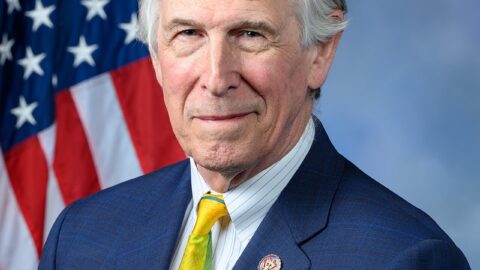
Indian American Pia Dandiya won the election to the US House of Representatives from Florida twenty second Congressional District, defeating Casey Askar, a Marine veteran, according to results reported on Wednesday. The result is notable for several reasons, not least because it adds to the diversity of a House that, after a wave election, will include members from a wider range of backgrounds, professions and communities than the chamber it replaces. Representation, in that sense, is not a side story to the election. It is part of what the election changed.
Why it matters
Florida twenty second district, in South Florida, is a diverse, competitive district where campaigns must speak to voters across ethnic, age and economic lines. Winning there requires a coalition, not a base, and Dandiya campaign evidently built one that included Indian American voters, other immigrant communities and a broader set of voters concerned about health care, education and the cost of living. Askar, as a Marine veteran, brought a credential that often resonates in Florida, which makes Dandiya win a test of campaign organisation as much as of message.
The national context matters, but it should not erase the local one. Florida, at state level, bucked the Democratic wave, electing a Republican governor in Byron Donalds, yet Dandiya won a House seat in the same state on the same night. That split, between a Republican governor win and a Democratic House win in South Florida, shows that Florida voters, like voters elsewhere, make distinctions between offices, candidates and local issues, rather than voting a straight party line in every race. Midterm elections are fifty state contests and hundreds of district contests at once.
What happens next
For the House, Dandiya win contributes to the Democratic majority, and it will be watched as a bellwether for whether Democrats can hold diverse, competitive districts in Florida in future cycles. South Florida districts are often close, and a first term member must build a local record quickly, through constituent service and visible work on district priorities, from health care access to infrastructure to the needs of small businesses that employ many immigrant workers.
For voters in the district, the immediate question is representation that works day to day: an office that answers calls, a member who shows up in the community, and legislation that addresses the costs and services that shaped the campaign. Dandiya election is a milestone for Indian American representation in Congress, and it is also, more prosaically, a job that begins with those practical tasks. Both descriptions are true, and both will matter in the next two years.