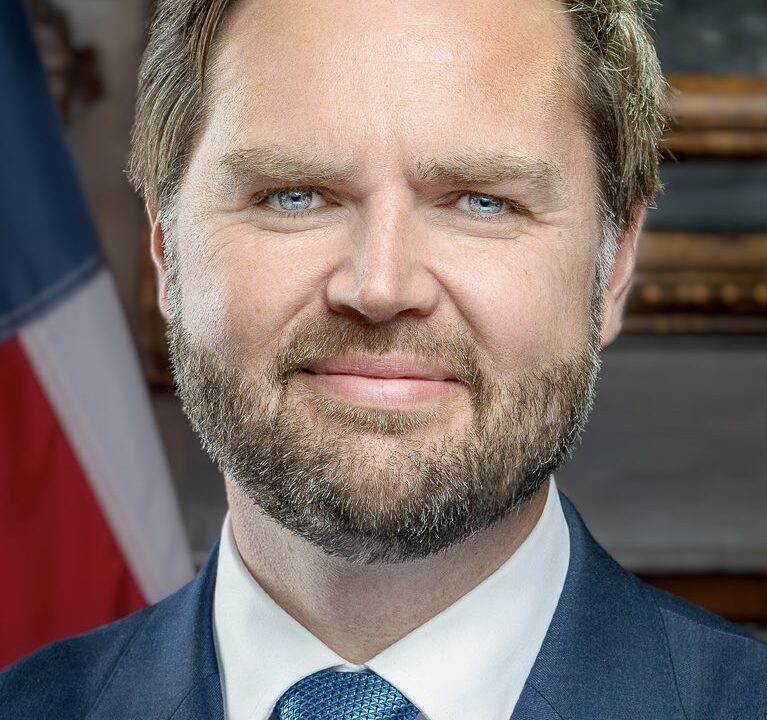
A United States Senate committee is investigating whether Vice President JD Vance played a role in the awarding of a lucrative Venezuelan oil deal to commodities giant Vitol, according to a letter reviewed by Reuters. The investigation follows an exclusive Reuters report that detailed a meeting between Vance and a Vitol trader a week before the United States invaded Venezuela in January and captured authoritarian leader Nicolas Maduro.
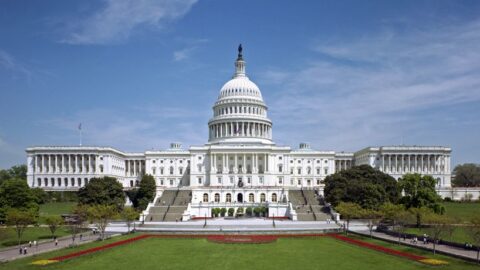
Senator Maggie Hassan, a New Hampshire Democrat who will become chair of the Senate Homeland Security and Governmental Affairs Committee in January when the new Congress is seated, sent the letter to Vance. She wrote that she has serious concern that he may have used his position as Vice President to help a major political donor secure lucrative business opportunities involving Venezuelan oil. She is seeking a number of documents from Vance’s office by December 14, including communications between Vance or his staff and the trader or the trading firm.
The meeting at the centre of the probe
The meeting between Vance and Vitol trader John Addison happened in December 2025 during a trip Vance made to Montana Yellowstone Club, an ultra exclusive ski and golf resort, according to a person familiar with the matter. Flight records place his private jet and the vice presidential plane at Bozeman Yellowstone International Airport at the time, according to the report.
Vance’s office has issued a formal denial that a meeting ever took place. His press secretary, Luke Schroeder, said in a statement that the alleged airport meeting never happened. Addison has also denied the account, telling Reuters that anyone who says so is absolutely making it up, because he has never told a single soul that was the case.
What the oil deal was worth
Addison has confirmed to Reuters that on January 5, two days after the operation that ousted Maduro and killed up to 100 people, Secretary Wright called him at his desk in Houston with an irresistible offer. Soon after, Vitol and Trafigura received special licenses to trade Venezuelan crude from the Trump administration. Reports from earlier this year said the two commodity trading majors had struck a deal with the White House to sell 50 million barrels of Venezuelan crude, valued at some 2 billion dollars at the time, soon after the invasion.
The United States handled more than 12 billion dollars of Venezuela oil revenue in the first nine months of 2026, according to a report made public by the State Department earlier in November. The probe lands as oil markets watch every signal from Washington about Venezuelan crude, and the Senate arithmetic behind the probe matters, because the committee changes hands in January and Hassan will then hold the gavel.