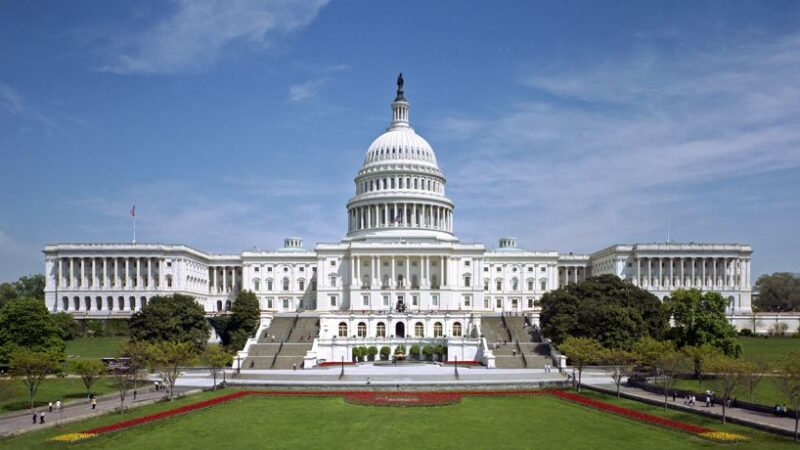
Voters elect 36 governors on Tuesday, alongside all 435 House seats and 35 Senate seats, a down ballot sweep that will shape state policy for years even though it receives less national attention than Congress. Governors control state budgets, veto state legislation, appoint state officials, and oversee election administration in many states. A governor who shares a party with the state legislature can advance a coherent programme. A governor who faces an opposition legislature must negotiate, veto, or compromise, creating divided government at state level that mirrors the national picture.
Governorships also matter for national politics, because governors are a bench for future presidential and Senate candidates, and because state policy on education, health, infrastructure and taxation affects daily life more directly than many federal decisions. A state that elects a governor committed to expanding a programme, or to cutting it, will feel that choice in schools, hospitals and roads long before the next federal election. Voters who focus only on Washington therefore miss the level of government that touches them most.
Why 36 is a large number
Thirty six governorships is a large share of the nation’s 50 state executives, and the results will change the partisan balance among governors materially. Some states will re-elect incumbents, some will elect successors from the same party, and some will flip, changing the direction of state policy overnight. Flips are particularly consequential, because a new governor can reverse executive orders, change agency leadership, and set a new budget direction in the first months in office, before the legislature has time to respond.
The midterm voting report on Tuesday notes that governorships, state legislative seats and ballot measures are also at stake, alongside Congress, and that newly elected members of Congress will assume office on 3 January 2027. Governors, by contrast, take office on state timetables that vary, with inaugurations in January in most states, which means the transition from election to governing is faster at state level than at federal level.
What to watch in governor results
Watch flips, watch margins, and watch divided government: states where the governor and legislature end up in different parties will face negotiation and vetoes, while states where one party controls both will move faster. Also watch governors in states that will play a central role in the next presidential election, because their decisions on election administration and on voting rules will be scrutinised nationally. Tuesday’s governor races are down ballot only in name; in practice, they are where much of American government happens.