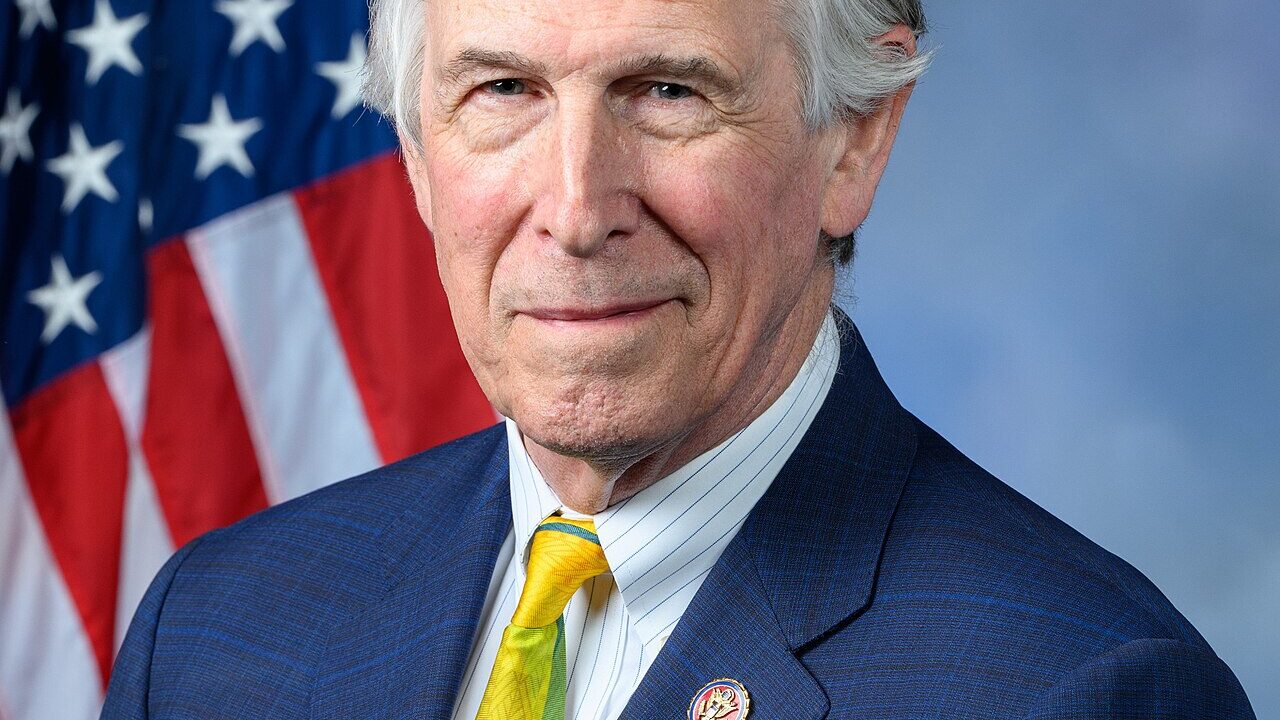
Representative Don Beyer of Virginia accused President Donald Trump of surrendering to Vladimir Putin after the president signed an executive order waiving most of the new Russia sanctions in the Lindsey O. Graham Sanctioning Russia and Iran Act of 2026. Speaking on NPR’s Morning Edition on Monday, Beyer said the move betrayed Ukrainian partners and defied Congress’s intent for the law. The order, signed two days before the measures were due to take effect, suspends the law’s headline penalties while leaving it on the books.
What the waiver puts on hold
The Graham Act, named for Senator Lindsey Graham, would have imposed 500 percent tariffs on Russian goods and 100 percent tariffs on the largest buyers of Russian oil and gas, alongside sanctions targeting Russian officials, banks, energy trade, investment and sovereign debt. Trump’s order pauses those provisions under the law’s national interest waiver authority, though sanctions imposed under earlier executive orders remain in force. Secretary of State Marco Rubio described the move as a 60-day pause to analyse the economic impact, pointing to the war with Iran and Houthi attacks on Saudi Arabia as forces pushing energy prices higher. Ukrainian President Volodymyr Zelenskyy called the decision wrong, saying it only helps the Russians.
Bipartisan criticism and calls to rewrite the law
Beyer told Leila Fadel that the waiver flaw was the very thing critics of the bill had flagged at passage. He also attacked Trump’s announcement of a four billion dollar diesel fuel purchase, which he described as illegal under laws barring Russian oil purchases. “Trump’s latest surrender to Putin again betrays our Ukrainian partners,” Beyer said, and he urged Congress to revive the earlier House bill that placed sanctions on Russia without giving the president waiver power. The criticism crossed party lines: Republican Senator Thom Tillis called the move beyond irresponsible, while Senator Ted Cruz described it as a mistake. Meanwhile, a federal judge has warned Trump of sanctions for skipping his deposition in the BBC defamation case.
In an October 15 letter, bipartisan House Foreign Affairs leaders had asked Trump to keep any waiver narrow, time-limited and tied to measurable reductions in support for Russia’s war, urging that the law’s core provisions not be deferred. The administration has framed the pause as analysis rather than retreat. With midterm elections nearing and energy prices elevated, the fight over who sets Russia policy, Congress or the White House, has become Washington’s next front.
Related Reading