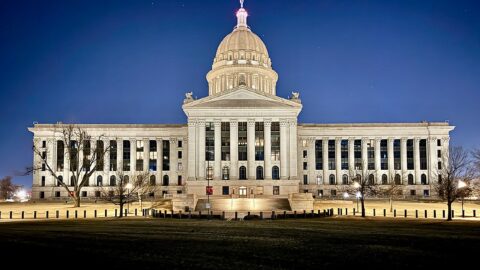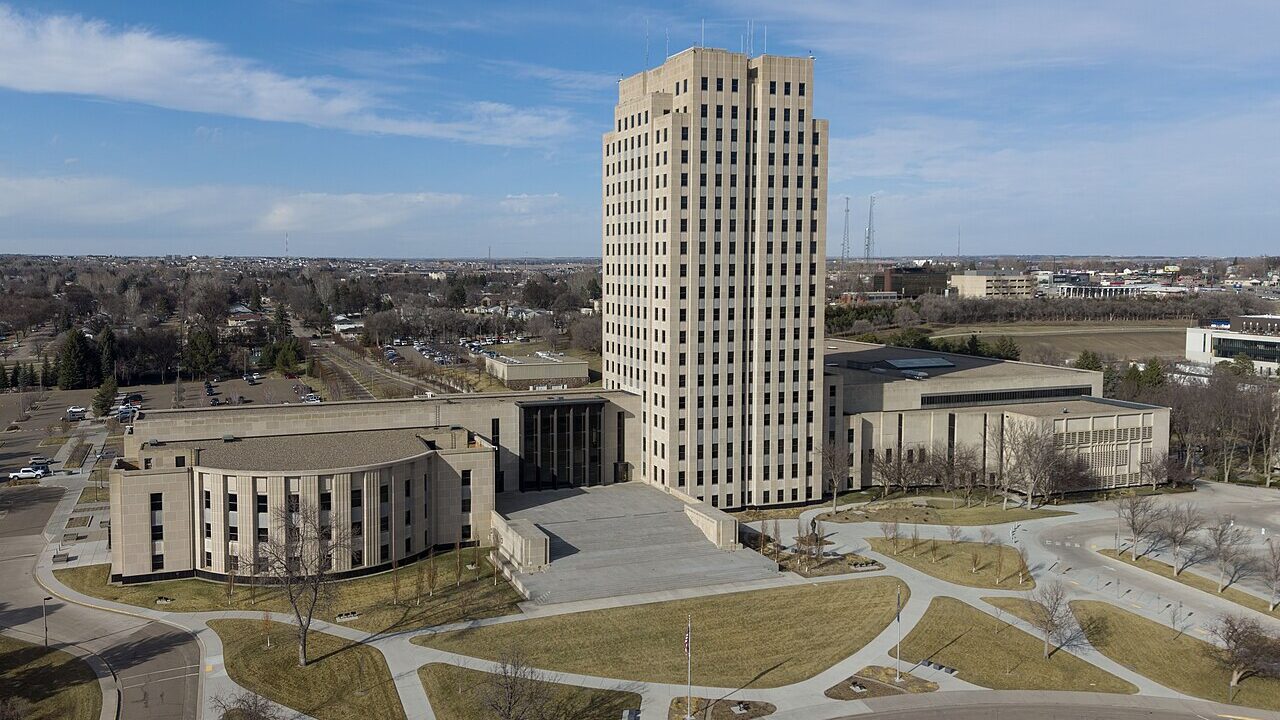
North Dakota's legislature has wrapped a three-day September special session that banned synthetic kratom, restricted the natural product, funded a state military museum project and killed three other bills, a compact session that still managed to raise the standing question of what justifies calling lawmakers back to Bismarck.
The session ran September 2 to 4, following a September 1 policy committee meeting, according to legislative records summarised in state coverage. Regular business resumes with the next regular session in January 2027. The special session's cost to taxpayers was estimated at about $220,000, drawn from the legislature's two-year budget.
The kratom measures were the session's policy centre of gravity. Supporters framed synthetic kratom, concentrated and chemically altered products sold in gas stations and vape shops, as an unregulated drug problem that could not wait for January, while natural-kratom restrictions drew the familiar argument between prohibition and regulated adult sale. The military museum funding, by contrast, passed as a broadly supported state heritage project.
Political scientists who track statehouses note that special sessions test a legislature twice: once on the policy, and once on whether the urgency was real. North Dakota's majority argued the drug-safety item met that test; critics asked why it could not have been handled in the ordinary calendar at ordinary cost.
The bills now move into implementation, where the state health and law-enforcement agencies will write the rules that determine how the kratom bans actually operate in stores. The January session, meanwhile, inherits the unresolved items the special session declined to pass, along with the running state argument about property tax relief that dominated committee hearings this autumn.
Implementation now passes to state agencies, which must define the restricted products, notify retailers and set enforcement dates before the January session returns. Lawmakers who killed three bills in the special session have, in effect, scheduled those arguments for the regular calendar, where they will compete with the budget and the property tax debate rather than command a session of their own.
Reporting is based on statements and reporting available at publication time. State News Journal checked the central facts against at least two reputable sources and attributes claims to their sources in the text. This story will be updated if confirmed new information materially changes the account, and corrections will follow the site corrections policy.